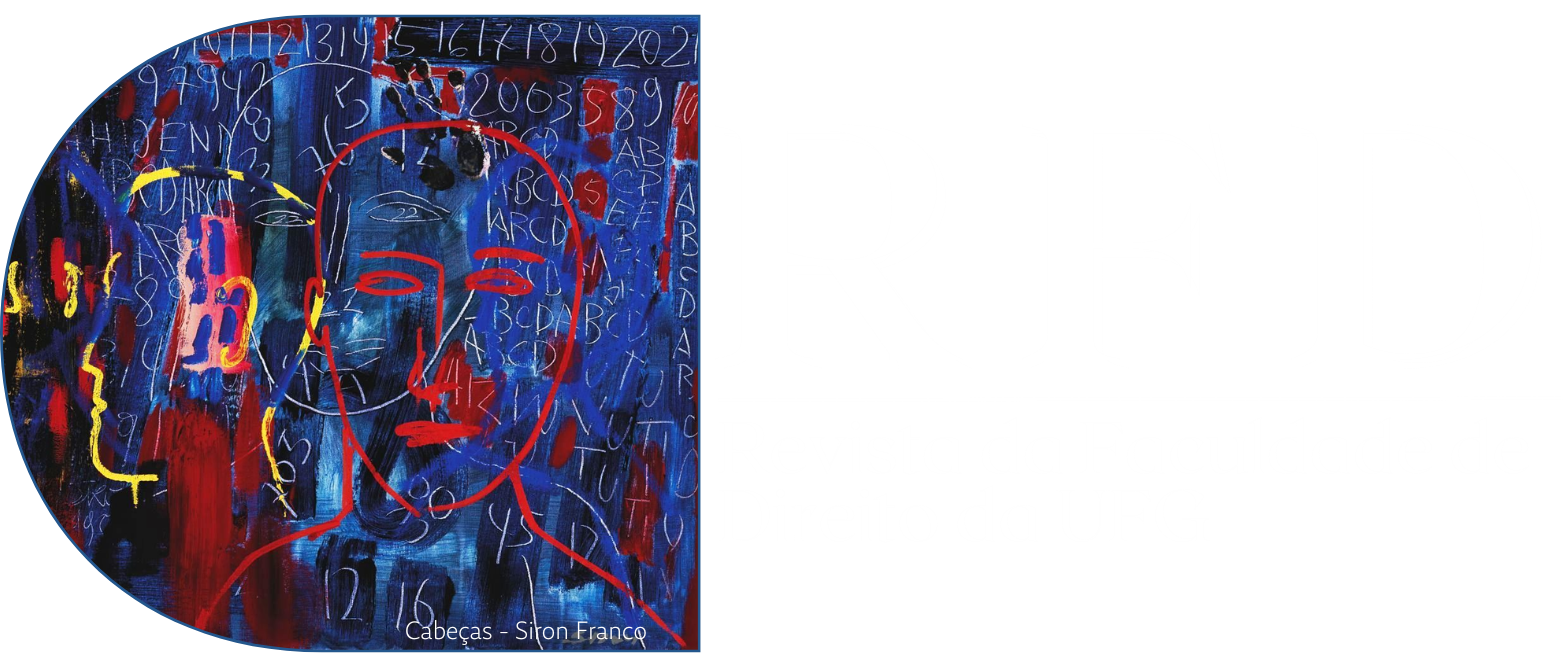
THE EFFECTIVENESS OF FOOD ACCESS AS A CONDITION FOR HUMAN DEVELOPMENT IN BRAZIL
DOI:
https://doi.org/10.5216/rfd.v45i2.68286Keywords:
direito à alimentação, direitos humanos, fraternidade, Desenvolvimento humanoAbstract
As the most wicked effect of extreme poverty, hunger rates unveil in a country its low levels of human development. In the light of the Brazilian Federal Constitution, this paper intends to analyze the Zero Hunger compromise taken by the Brazilian State, in conformation to the SDG 2, which focuses on the eradication of food vulnerability in the world until 2030. This investigation intended to elucidate whether the eradication of hunger in Brazil has the characteristics of an international moral commitment or if it is effectively, a legal duty derived from the principles in the 1988 Brazilian Constitution. Based on Amartya Sen's Development as Freedom, this paper endeavors to reinforce that human capabilities are directly proportional to the conditions for the exercise of public freedoms. In this sense, the effectiveness of Human Rights creates development, through the materialization of the individual's emancipatory capacity. The constitutional premise stated is that the human rights contemplated by the 1988 text, such as life, health, food, and dignity, have full enforceability and immediate applicability, and do not depend on legislative regulations to operate. For achieving the proposed aspirations, the authors chosen the deductive method within a descriptive, bibliographic, and documentary approach. As a matter of conclusion, the eradication of hunger in Brazil proved to be an effectively constituted commitment to put into practice the constitutional project of a fraternal State.
Downloads
Downloads
Published
Issue
Section
License
Os Autores que publicam nesta revista concedem à Revista da Faculdade de Direito da UFG uma licença mundial, sem royalties, sujeita aos termos e condições da Licença Jurídica Creative Commons Atribuição 3.0 Brasil Creative Commons Attribution License
Os autores concedem à RFD UFG todos os direitos autorais sobre os artigos nela publicados, que os mantêm com exclusividade até o advento de domínio público sobre os mesmos.